
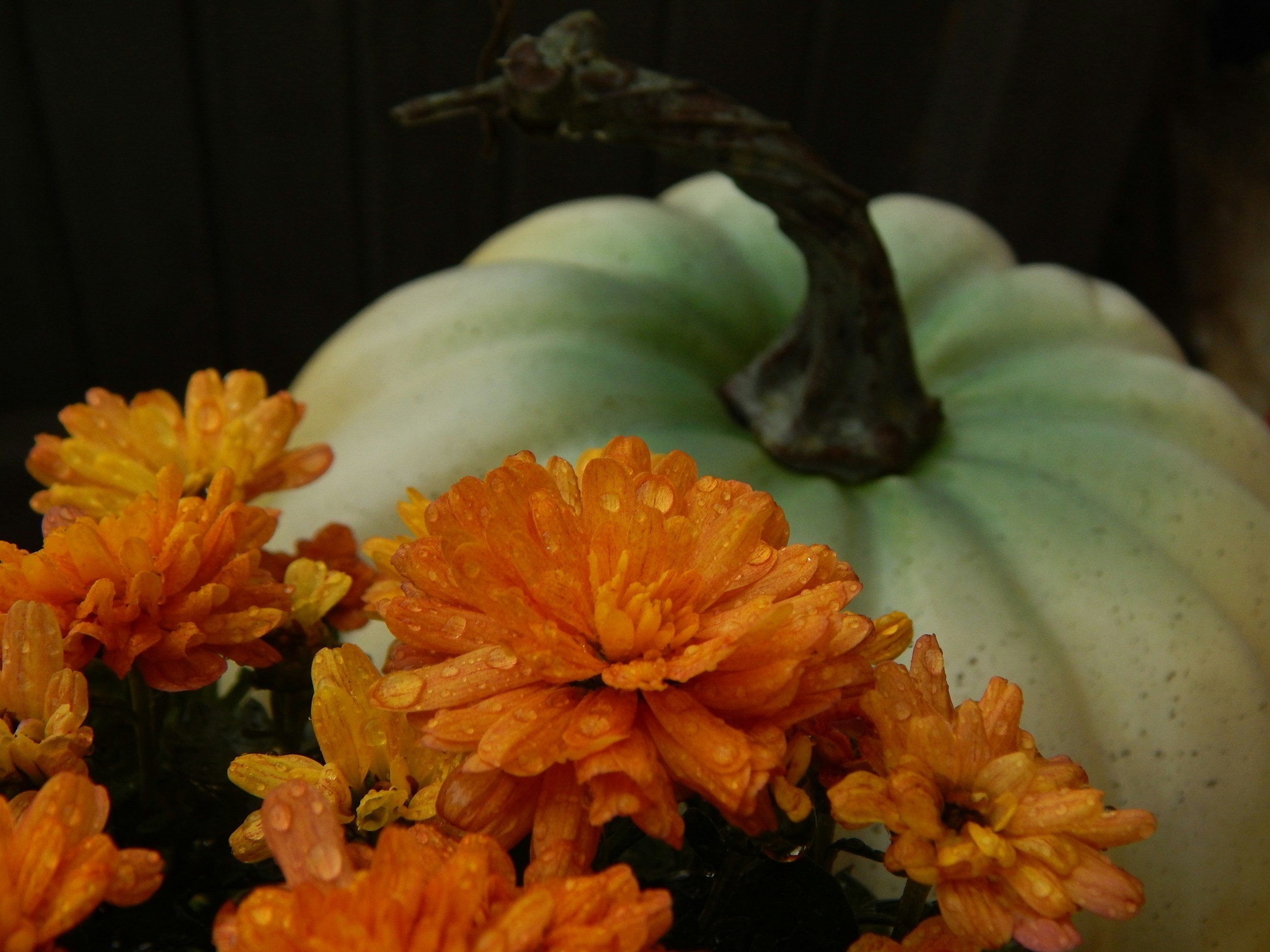
We have officially entered the fall season, bringing pumpkin lattes, cozy sweaters and sweatshirts, and beautiful falling leaves.
It’s a gorgeous time of year that many of us look forward to. But how often do we rush through fall to get to the holiday season? Have you been in the stores lately? Apparently, it’s already Christmas!
Fall is a season of transition. In Ayurveda, the ancient science of life, seasonal transitions are considered important times to slow down and pay a little extra attention to our well-being.
As the weather changes and the days grow shorter, we may feel less grounded, more unsettled, or even more vulnerable to getting sick. Nature is shifting, and our bodies and minds are responding to those changes.
Transitions are times when we need to be especially mindful of how we care for ourselves.
Life Transitions: Making Space for What's Next
Beyond the changing seasons, we all experience transitions in life. Divorce, moving, an empty nest, retirement, or losing a loved one can leave us wondering what comes next.
For me, I’m navigating a significant life transition after more than 30 years of being my sister’s guardian and caregiver.
Yes, I feel a little unsteady at times. There is more space in my life now, but the question is: Space for what?
When we've spent years caring for someone, working toward a goal, or fulfilling a particular role, it can be difficult to know who we are or what we want when that role changes.
I'm someone who tends to jump right into the next thing. Travel, work, teaching, creating something new… there's always something to do!
But what if, instead of immediately filling that space, I allowed myself the time to simply be? To listen, reflect, and notice what might be emerging?
If we rush through major life transitions, we may miss the opportunity to hear a deeper message about what we truly want and need.
Sometimes, the most meaningful thing we can do is resist the urge to figure everything out and allow ourselves to be right where we are.
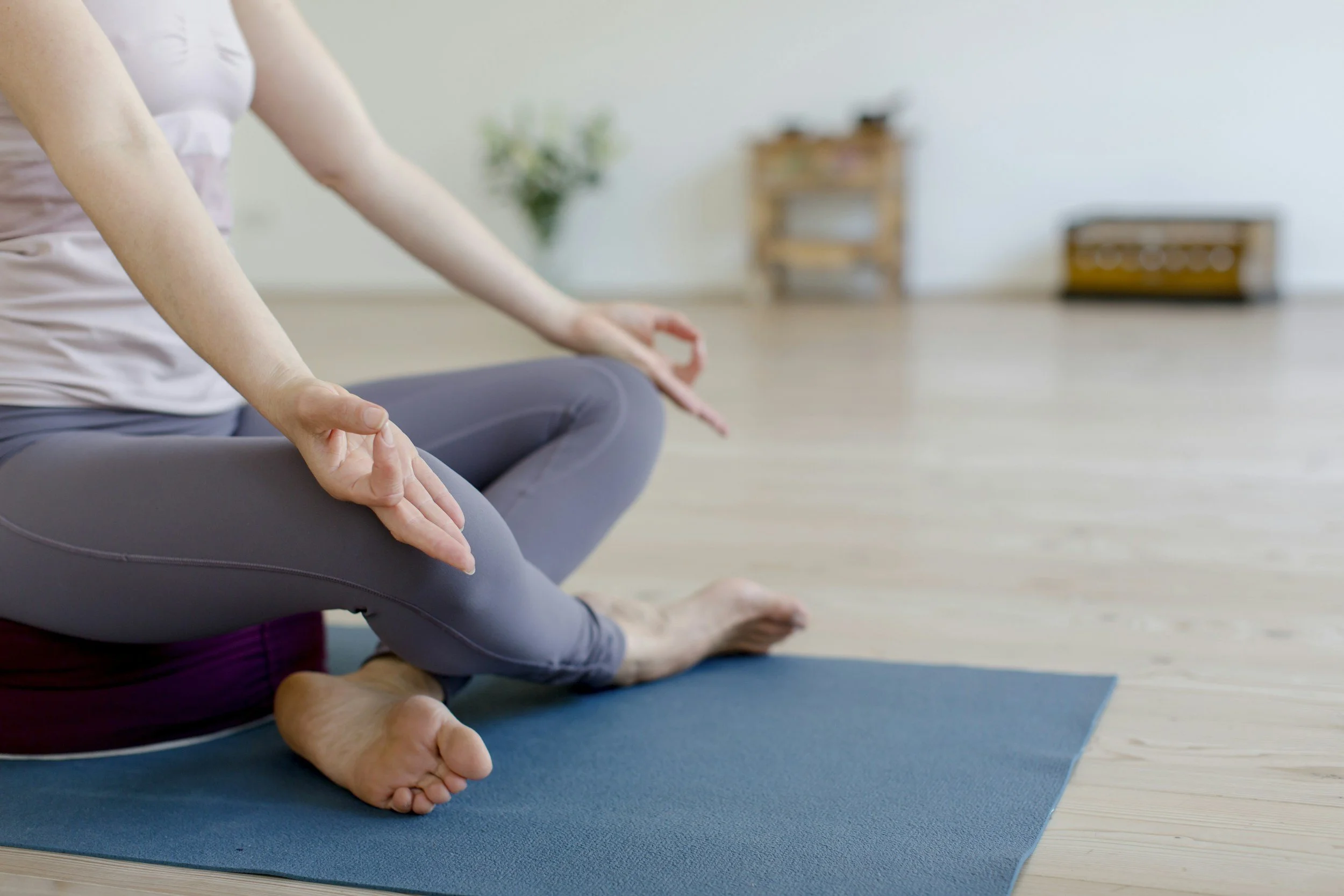
Transitions on the Yoga Mat
Yoga offers us another opportunity to explore transitions, this time on the mat.
How do you enter your yoga practice? Are you already thinking about everything you need to do afterward? How much awareness do you bring to the space between one movement and the next, or one breath and another?
Do you move mindfully, feeling grounded and present? Or are you already anticipating the next pose?
And what happens when you finish your practice? Do you immediately hurry off to the next thing, or do you allow yourself a few moments to notice how you feel?
As yoga teachers, we know that transitions between poses are important moments for awareness and safety. Moving too quickly, losing focus, or shifting without considering how our bodies feel can increase the risk of injury.
Sometimes, it's not the pose itself that challenges us. It's how we get into it, move through it, or come out of it.
The same is true in life.
Whether we're moving from one yoga pose to another, walking from one room to the next, or navigating a major life change, the moments in between deserve our attention.
Have you ever bumped into a wall or a table because you weren't paying attention to where you were going? I know I have!
It's a simple reminder of what can happen when we move on autopilot rather than staying present.
The in-between matters just as much as where we're going.
Three Ways to Navigate Transitions with More Ease
As I reflect on transitions, I'm reminded that we don't always need to know what's next. Sometimes, we simply need to change how we move through the uncertainty.
Here are three practices to help you navigate transitions with greater awareness, steadiness, and ease.
1. Choose Mindfulness Over Momentum
How often do you find yourself rushing through your day, multitasking, or thinking three steps ahead?
When we're caught up in momentum, we can lose touch with what's happening in the present moment.
Mindfulness invites us to slow down enough to notice. Notice our breath, our surroundings, our body's signals, and even our emotional responses.
Whether you're moving through a yoga practice or going about your daily activities, try bringing your full attention to what you're doing.
You may discover that slowing down doesn't make you less productive. Instead, it helps you move with greater clarity, ease, and grace.
Try this: The next time you move from one activity to another, pause for a breath. Feel your feet on the ground, notice your body, and give yourself a moment to arrive before moving on.
2. Embrace the Nuance of the In-Between
Many of us are uncomfortable with uncertainty. We want answers, plans, and a clear idea of what comes next.
When life changes, our first instinct may be to fix things, fill the empty space, or rush toward a new goal.
But what if the in-between is not a problem to solve?
What if it's an opportunity to listen, reflect, and allow something new to emerge?
In yoga, we explore the balance of sthira and sukha—steadiness and ease. These qualities remind us that we can be grounded without being rigid and open without feeling completely untethered.
We don't have to force an outcome to feel secure. We can practice finding steadiness right where we are, even when the path ahead isn't clear.
Try this: When you feel the urge to rush into the next thing, ask yourself, Do I need to make a decision right now, or can I give myself permission to wait and see?
Sometimes, clarity comes when we stop chasing it.
3. Stabilize Your Energy
During times of transition, our internal landscape can feel unsettled. We may experience changes in our sleep, mood, energy, or ability to concentrate.
This is when tending to our physical and nervous system health becomes especially important.
Rather than adding more to your to-do list, focus on simple practices that help you feel grounded and supported.
Slow down physically. Take a gentle walk, practice grounding yoga postures, or spend time in nature.
Regulate your nervous system. Take a few slow, comfortable breaths, allowing your exhale to soften. Give yourself moments of quiet throughout the day.
Create supportive routines. Regular meals, consistent sleep habits, and a little time outdoors can provide a sense of stability when other parts of life feel uncertain.
Notice whether you're responding or reacting. When something unexpected happens, pause and ask yourself, Am I responding to what's happening right now, or reacting out of fear, habit, or uncertainty?
You don't have to eliminate the discomfort of transition. Instead, you can build the awareness and inner resources to move through it with greater resilience.
Ask yourself: Does the way I'm moving through this moment create more harmony or more chaos?
Sometimes, the smallest pause can change how we experience an entire day.
A Final Thought
As we move through fall, I'm reminded that transitions are a natural part of life. The seasons change. Our bodies change. Our relationships and responsibilities change. And we change, too.
We don't always get to choose when a transition happens, and we certainly can't control every outcome.
But we can choose how we meet these moments.
We can slow down instead of rushing, listen instead of immediately reacting, and create space for what wants to emerge.
I'm practicing this myself as I navigate this new chapter of life. I don't have all the answers, and I'm learning that I don't need to have them just yet.
What if the space between what was and what comes next is exactly where we need to be for a little while?
So, as you move through your days, your yoga practice, and whatever transitions life brings your way, remember to give yourself permission to pause.
You may find that the next step becomes clearer when you stop rushing to take it.
What transition are you navigating right now, and how might you give yourself a little more space to move through it?